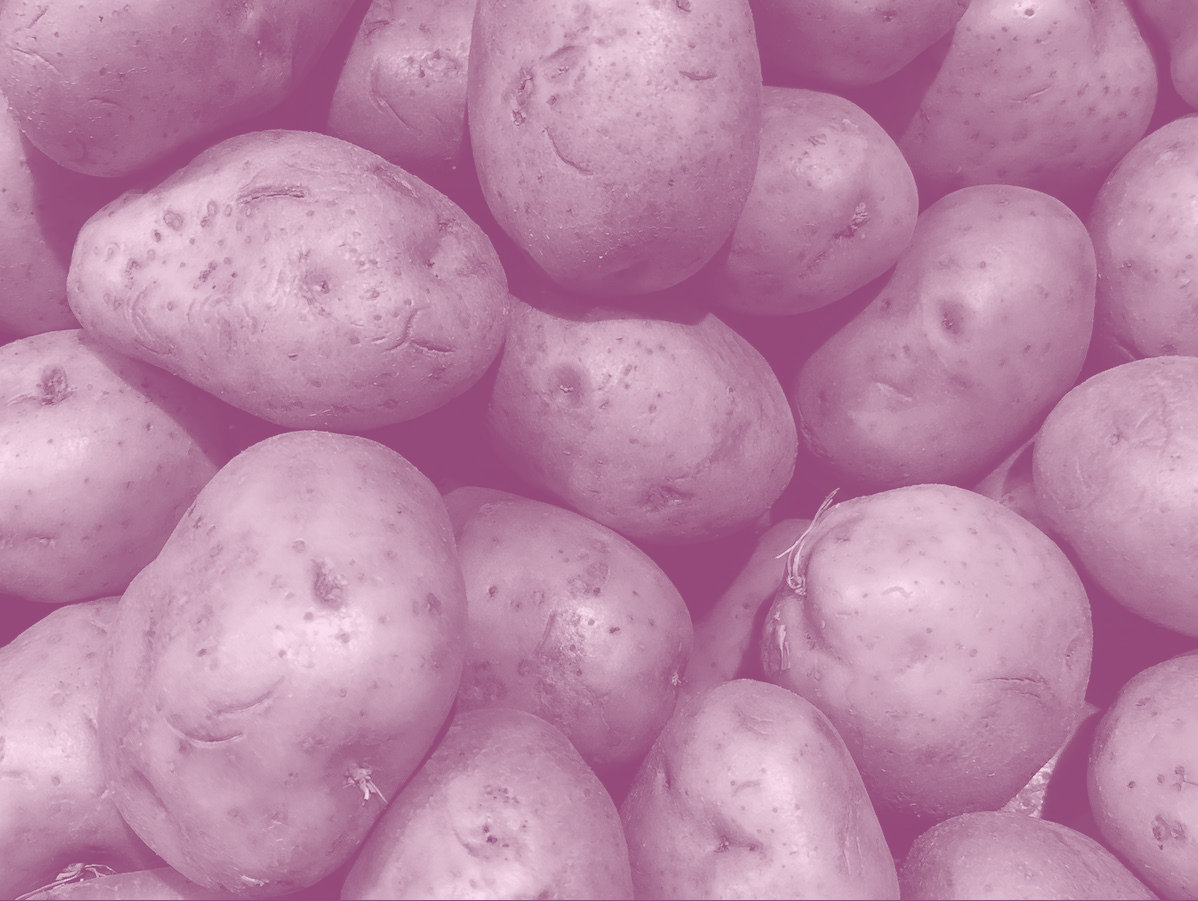
We all love potatoes. Well, nearly everybody – my son has a friend who “doesn’t like” potatoes, but his favourite food is fries, so there you go. They are so versatile; they can be boiled, cut up and fried, mashed, sliced, grated and baked. You name it. Maybe it’s because of the almost minimal flavour and the versatility in cooking, that there’s almost nothing to not like. Am I right?
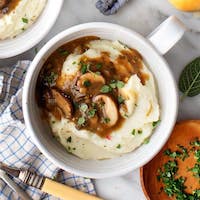
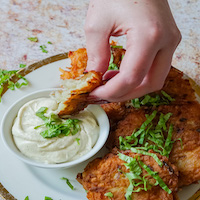
I am a confessed potato lover. Mashed potatoes with mushroom gravy is what I crave after a sickness, just after my stomach has come good. it’s what I need to get me over the next line. The soft, fluffy pillows of white goodness, slathered with the umami stickiness of the gravy, with just a hint of picked thyme from the garden. Chefs kiss! Or freshly grated, rinsed and salted potatoes formed into crispy little latkes in a pan coated in a decent lash of olive oil. Gotta go – lunch break….-
OK. I’m back. Since living in Germany, while perusing the vegetable aisles, I have always wondered to myself – what are all these different kinds of potatoes – what do the names actually mean? what do the different colours, shapes and size do to the potato experience?? Before living here, I wasn’t even aware that different types or categories of potatoes were suited to different cooking styles of recipes, I just thought some were prettier than others. I just put every potato so to speak in one sack and called them…Potatoes. But No. I was wrong. So, so wrong……
In Germany, by law potatoes are labelled sold in 3 categories. Festkochend, Vorwiegend Festkochend and Mehlig. These categories are determined by the different compositions of water and starch. A fourth category Frühkartoffeln (Early or New Potatoes) could be any one of these 3, but picked earlier and with the skin left untreated – considered a delicacy here in Germany.
So, what’s the big deal, you may be thinking….? Well, it’s the amount of starch that affects exactly how a potato cooks, it’s sweetness and most importantly – the texture, and whether it holds firm when cooks or turns powdery and dissolves. See what I mean now?
So keeping that in mind, it’s these exact characteristics which will help you choose which potato to use for which meal.
High starch (floury or starchy/Mehligkochend) are great for baking and frying (crispy on the outside, soft and powdery on the inside), they also make great mash. American examples are Russet and Idaho.
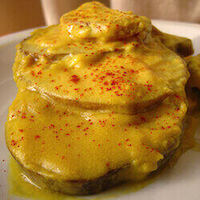
Medium starch (partially waxy/Vorwiegend Kochend) are for steaming, baking, roasting, grilling and gratin dishes. They hold their form but aren’t too sticky so will still melt in your mouth. yes! American examples are Yukon Gold and Yellow Potatoes
Low starch (waxy/Festkochend) are for boiling, roasting, grilling, stews, salads (german potato salad!) and grain dishes. Think of it like this – they won’t fall apart when cooked for a long time or in a liquid. that’s what makes potato salads so good – the right potato!! American examples are Round red, round white and Fingerlings.
OK. I’m a very visual person, sometimes I don’t even get a point until it’s presented in a chart or video!! I’ve compiled the information on the table below for your reference. I hope it helps.
| Generic Names | American Types | Characteristics | Category | German Types | Cooking Uses | Description |
|---|---|---|---|---|---|---|
| Russet, Idaho, Blue Potatoes | Burbank, Norkotah, Ranger, Shepody. | High starch, low water | Floury or Starchy (Mehligkochend) | Adretta and Likaria | Fried, baked or mashed | They bake up light and fluffy, mash and puree easily, and break down in soups to give a broth body. Perfect for potato dumplings, baked potatoes or fries/wedges |
| Yellow and white potatoes | Yukon Gold, Cascade, White Rose, and Yellow Finn, Long Whites | Medium or low-medium starch | Primarily Waxy (Vorwiegend Festkochend) | Christa, Granola, or Laura | Boiled, baked or fried, mash, gratin, roasting, soups & chowders | Workhorse! This is the most popular variety in Germany, as you can use them in almost any recipe |
| Round red and round white, Fingerlings | Chieftain, Red La Sota, and Klondike Rose. | Less starch & more moisture | Waxy (Festkochend) | Cilena, Linda, Nicola | Best for boiled, can also be baked and fried | Hold up well after cooking. Salads, Bratkartoffeln, casseroles and soups |
| New Potatoes | Any of the above | Low Starch, sweet | (Frühkartoffeln) | Any of the above | boiled, roasted, casseroles & salads | With thin, wispy skins and a crisp, waxy texture. Unlike their grown-up counterparts, they keep their shape when cooked and cut. They’re sweeter because their sugar hasn’t yet converted into starch, and so are very well suited to salads. |
So there you have it. A brief summary of potatoes in Germany, how to compare them to the American types, and what to do with them. Now get cooking!
Here are some of my favourite potato dishes. What are yours? Put your comments in below.